
Missing Out: Why Aren’t Our Children Going to School? - Summary
About this resource:
Going to school is critical for our children’s futures. The evidence is clear that every day of school matters – missing school leads to lower achievement. Aotearoa New Zealand has lower attendance than other countries and, alarmingly, attendance is falling. This short summary looks at some of the reasons why.
Related insights
Explore related documents that you might be interested in.
-
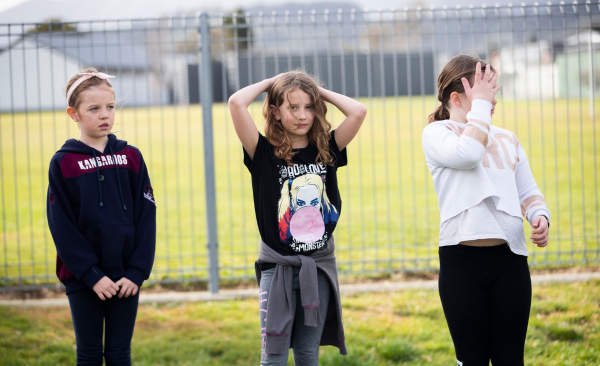 Research report | 75 min read
Missing Out: Why Aren’t Our Children Going to School?
10 November 2022 -
 Research report | 60 min read
Attendance: Getting Back to School
21 February 2023 -
 Sector insights | 6 min read
Attendance - Getting back to school: Guide for primary school teachers
21 February 2023 -
 Sector insights | 6 min read
Attendance - Getting back to school: A guide for secondary school teachers
21 February 2023 -
 Sector insights | 2 min read
Attendance - Getting back to school: A guide for parents and whānau
21 February 2023
Read Online
What is attendance?
Attendance is when learners are at school and in the class they are supposed to be in. If learners miss a week or more of school in a term they have ‘non-regular attendance’. Learners who miss a week each term will have missed out on a year of schooling by the time they are 16.
Going to school is critical for our children’s futures. The evidence is clear that every day of school matters – missing school leads to lower achievement. In Aotearoa New Zealand, learners are expected to attend school every day the school is open. And yet many don’t. Aotearoa New Zealand has lower attendance than other countries and, alarmingly, attendance is falling.
We found that not all parents and learners understand the importance of going to school. Many prioritise other activities over going to school, for example sports or holidays, and too many learners face real barriers to attending school.
Improving attendance in Aotearoa New Zealand will require action from government, communities, schools, parents, and the learners themselves.
Attendance is when learners are at school and in the class they are supposed to be in. If learners miss a week or more of school in a term they have ‘non-regular attendance’. Learners who miss a week each term will have missed out on a year of schooling by the time they are 16.
Going to school is critical for our children’s futures. The evidence is clear that every day of school matters – missing school leads to lower achievement. In Aotearoa New Zealand, learners are expected to attend school every day the school is open. And yet many don’t. Aotearoa New Zealand has lower attendance than other countries and, alarmingly, attendance is falling.
We found that not all parents and learners understand the importance of going to school. Many prioritise other activities over going to school, for example sports or holidays, and too many learners face real barriers to attending school.
Improving attendance in Aotearoa New Zealand will require action from government, communities, schools, parents, and the learners themselves.
What has happened to attendance in New Zealand?
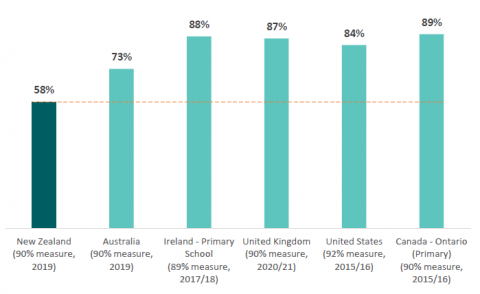
Covid-19 has badly disrupted attendance, but even before the pandemic Aotearoa New Zealand had lower attendance than other countries.
Figure 1: International comparison of regular attendance
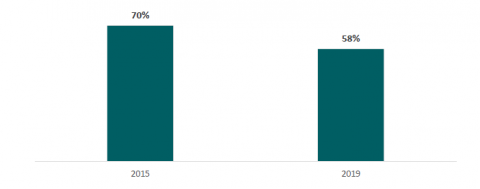
And alarmingly attendance is falling – between 2015 and 2019, there was a 12-percentage point decrease in learners who were going to school regularly.
Figure 2: Percentage of learners regularly attending in 2015 and 2019
Declining attendance is seen across all school types and for all ethnicities. The drop has been steepest in low-decile schools, and for Māori and Pacific learners. The biggest change has been the increase in learners who no longer go to school regularly but do go to school often (80 to 90 percent of the time). This study looks at why.
Covid-19 has badly disrupted attendance, but even before the pandemic Aotearoa New Zealand had lower attendance than other countries.
Figure 1: International comparison of regular attendance
And alarmingly attendance is falling – between 2015 and 2019, there was a 12-percentage point decrease in learners who were going to school regularly.
Figure 2: Percentage of learners regularly attending in 2015 and 2019
Declining attendance is seen across all school types and for all ethnicities. The drop has been steepest in low-decile schools, and for Māori and Pacific learners. The biggest change has been the increase in learners who no longer go to school regularly but do go to school often (80 to 90 percent of the time). This study looks at why.
Why are learners missing school?
1. Many parents and students do not understand the importance of going to school
- Understanding the importance of attendance is critical. We found that:
- four in 10 parents (41 percent) are comfortable with their child missing more than a week of school a term, or almost a year of their schooling by the time they are 16
- a third of learners (33 percent) don’t think going to school every day is that important
- nearly a quarter of learners (22 percent) do not think school is that important for their future.
Parents told us they thought regular attendance was less important in primary school, but this is not the case. Primary school provides the foundations of learning, and missing school in primary school is linked with poor attendance in secondary school.
2. Many parents and students are choosing to prioritise other things
School needs to be a priority if we are to reverse the decline in attendance. We found parents often prioritise other things:
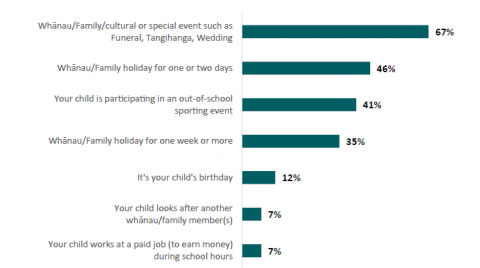
- two-thirds of parents (67 percent) would keep their children home for a family, cultural, or special event
- a third of parents (35 percent) would take children out of school for a holiday of a week or more, or to participate in a sporting event (41 percent)
- twelve percent would keep children home for their birthday.
Parents of primary aged learners or from rural areas are more likely to support missing school to go on a holiday. Māori (81 percent) and Pacific (71 percent) parents are more likely to keep their child out of school to attend family cultural events.
Figure 3: Percentage of parents who indicated they would keep their child out of school for each of the following reasons
“I don’t hesitate booking a holiday during the term time. I don’t have an issue pulling them out. What they would gain from an overseas trip [are] learning experiences” – Parent
Learners also miss school due to other priorities. Learners said they want to miss school because they:
- have more enjoyable things to do at home (33 percent)
- have whānau, family, cultural, or special events during school time (17 percent)
- have responsibilities to look after sick or younger whānau and family members (8 percent).
3. Parents and students face real barriers to going to school
To shift attendance we need to understand and overcome barriers to going to school. The study was during the peak of the Omicron outbreak, so illness and injury was by far the most common barrier to school attendance identified by parents and learners. Seventy-six percent of parents said they had kept their child home in the past term for illness or injury.
We also found that:
- nearly half of parents would keep their child out of school for mental health challenges (46 percent)
- more than a third would keep their child out of school to avoid bullying (38 percent)
- one in 10 would keep their child out of school because the child is tired.
Learners face barriers to school attendance. We found that:
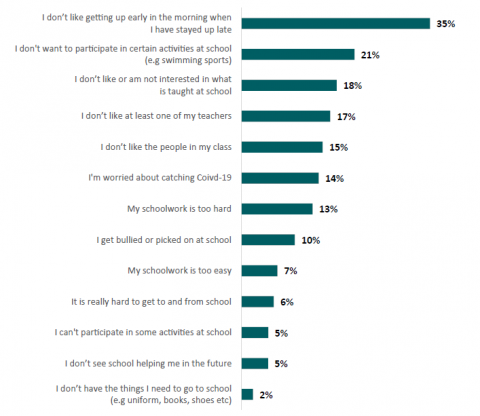
- for over a third of learners (35 percent), not liking getting up in the morning/being tired is a barrier for them attending school
- for nearly one in five learners (17 percent), not liking at least one of their teachers was a barrier for them attending school.
- being bullied or picked on at school (10 percent) and not liking people in their class (15 percent) are also barriers for learners to attend school.
Figure 4: Percentages of learners who indicated they want to miss school for each of the following barriers
4. Some groups of parents and learners face more barriers than others
To improve attendance, we need to understand the different barriers learners face.
Māori and Pacific parents are more likely to keep their child out of school due to bullying, illness, and mental health challenges.
Older learners (Year 11 to 13) are less engaged in school and more likely to want to miss school because they aren’t interested in what is taught.
Learners in low decile schools are more likely to think it was important to go to school every day. However, parents of learners in low decile schools are facing more challenges with transport or their children not having all the equipment/resources they need to go to school. Learners in high decile schools have higher attendance, but they are less motivated to go to school if they have more enjoyable things to do at home.
Disabled learners have multiple barriers to attendance and stay at home more because they can’t participate in an activity, don’t have the support or equipment to participate, have physical and mental health challenges, are bullied, and face challenges with transport.
1. Many parents and students do not understand the importance of going to school
- Understanding the importance of attendance is critical. We found that:
- four in 10 parents (41 percent) are comfortable with their child missing more than a week of school a term, or almost a year of their schooling by the time they are 16
- a third of learners (33 percent) don’t think going to school every day is that important
- nearly a quarter of learners (22 percent) do not think school is that important for their future.
Parents told us they thought regular attendance was less important in primary school, but this is not the case. Primary school provides the foundations of learning, and missing school in primary school is linked with poor attendance in secondary school.
2. Many parents and students are choosing to prioritise other things
School needs to be a priority if we are to reverse the decline in attendance. We found parents often prioritise other things:
- two-thirds of parents (67 percent) would keep their children home for a family, cultural, or special event
- a third of parents (35 percent) would take children out of school for a holiday of a week or more, or to participate in a sporting event (41 percent)
- twelve percent would keep children home for their birthday.
Parents of primary aged learners or from rural areas are more likely to support missing school to go on a holiday. Māori (81 percent) and Pacific (71 percent) parents are more likely to keep their child out of school to attend family cultural events.
Figure 3: Percentage of parents who indicated they would keep their child out of school for each of the following reasons
“I don’t hesitate booking a holiday during the term time. I don’t have an issue pulling them out. What they would gain from an overseas trip [are] learning experiences” – Parent
Learners also miss school due to other priorities. Learners said they want to miss school because they:
- have more enjoyable things to do at home (33 percent)
- have whānau, family, cultural, or special events during school time (17 percent)
- have responsibilities to look after sick or younger whānau and family members (8 percent).
3. Parents and students face real barriers to going to school
To shift attendance we need to understand and overcome barriers to going to school. The study was during the peak of the Omicron outbreak, so illness and injury was by far the most common barrier to school attendance identified by parents and learners. Seventy-six percent of parents said they had kept their child home in the past term for illness or injury.
We also found that:
- nearly half of parents would keep their child out of school for mental health challenges (46 percent)
- more than a third would keep their child out of school to avoid bullying (38 percent)
- one in 10 would keep their child out of school because the child is tired.
Learners face barriers to school attendance. We found that:
- for over a third of learners (35 percent), not liking getting up in the morning/being tired is a barrier for them attending school
- for nearly one in five learners (17 percent), not liking at least one of their teachers was a barrier for them attending school.
- being bullied or picked on at school (10 percent) and not liking people in their class (15 percent) are also barriers for learners to attend school.
Figure 4: Percentages of learners who indicated they want to miss school for each of the following barriers
4. Some groups of parents and learners face more barriers than others
To improve attendance, we need to understand the different barriers learners face.
Māori and Pacific parents are more likely to keep their child out of school due to bullying, illness, and mental health challenges.
Older learners (Year 11 to 13) are less engaged in school and more likely to want to miss school because they aren’t interested in what is taught.
Learners in low decile schools are more likely to think it was important to go to school every day. However, parents of learners in low decile schools are facing more challenges with transport or their children not having all the equipment/resources they need to go to school. Learners in high decile schools have higher attendance, but they are less motivated to go to school if they have more enjoyable things to do at home.
Disabled learners have multiple barriers to attendance and stay at home more because they can’t participate in an activity, don’t have the support or equipment to participate, have physical and mental health challenges, are bullied, and face challenges with transport.
Why do learners go to school?
1. Relationships and the future were the biggest motivators for learners to attend school
By understanding what motivates learners to go to school, we can be more effective in raising attendance. The top motivators that make learners want to go to school are:
- getting to see and spend time with friends (80 percent)
- seeing how school will help in their future (54 percent)
- liking at least one of their teachers (41 percent).
2. Different groups of learners have different motivators
We need to tailor our approaches to different learners. We found that:
participating in sports and clubs is more motivating for Māori learners, Pacific learners, and learners from low decile schools to attend school
having an adult they trust is more motivating for primary learners, disabled learners, and learners from low decile schools
Pacific learners are more motivated to go to school to make their whānau proud of them
fewer Māori learners and disabled learners are motivated by being able to see the relevance of school to their future.
Learners who told us they had regular attendance are more motivated to go to school because they liked or were interested in what was being taught and could see how school was relevant to their future. Learners who told us they had non-regular attendance are more motivated to go to school because they would get into trouble if they didn’t go.
1. Relationships and the future were the biggest motivators for learners to attend school
By understanding what motivates learners to go to school, we can be more effective in raising attendance. The top motivators that make learners want to go to school are:
- getting to see and spend time with friends (80 percent)
- seeing how school will help in their future (54 percent)
- liking at least one of their teachers (41 percent).
2. Different groups of learners have different motivators
We need to tailor our approaches to different learners. We found that:
participating in sports and clubs is more motivating for Māori learners, Pacific learners, and learners from low decile schools to attend school
having an adult they trust is more motivating for primary learners, disabled learners, and learners from low decile schools
Pacific learners are more motivated to go to school to make their whānau proud of them
fewer Māori learners and disabled learners are motivated by being able to see the relevance of school to their future.
Learners who told us they had regular attendance are more motivated to go to school because they liked or were interested in what was being taught and could see how school was relevant to their future. Learners who told us they had non-regular attendance are more motivated to go to school because they would get into trouble if they didn’t go.
How can we increase attendance?
Schools cannot improve attendance alone. Urgent action is needed by government, communities, schools, families, and learners to turn around Aotearoa New Zealand’s falling attendance levels.
Action is already underway with the Ministry of Education’s Attendance and Engagement strategy (All in for learning |Kia Kotahi te ū ki te ako). Many schools we talked to had put in place targeted initiatives to raise attendance.
Schools, parents, and learners told us what they thought would help improve attendance. We are recommending action in five key areas.
Area 1: Improve understanding of the importance of regular attendance
- Explain the importance of attendance and the impact of non-attendance
- Set clearer expectations about attendance
- Set expectations (and the support needed) that learners catch up on missed learning
Area 2: Improve awareness of how often learners are attending school
- Understand the attendance of every learner in a school and act early when concerned
- Help parents to better understand their children’s attendance
- Empower learners to better understand how their attendance is tracking
- ERO evaluate how schools are preparing to meet the attendance targets, and how they collect, analyse, report, and use student attendance data.
Area 3: Make learning more engaging
- Understand learners’ interests and what at school they find engaging or disengaging
- Review the way in which teaching and learning is organised, drawing on learners’ perspectives
- Help learners to see how subjects are relevant and valuable to them
- Take early action when learners are disengaging from learning and support them to re-engage and catch up
Area 4: Make school a great place to be
- Understand how learners find the school environment and identify issues early
- Use proven tools to tackle bullying, racism, and discrimination
- Provide access to mental health support for those learners who need it
Area 5: Tackle barriers to attendance
- All agencies to work together to tackle the key barriers to attendance (for example, transport and uniform costs)
- Build strong relationships between schools and families to identify key barriers to attendance and any actions schools can take to overcome them
- Have pathways back into regular attendance for learners who aren’t attending regularly
Schools cannot improve attendance alone. Urgent action is needed by government, communities, schools, families, and learners to turn around Aotearoa New Zealand’s falling attendance levels.
Action is already underway with the Ministry of Education’s Attendance and Engagement strategy (All in for learning |Kia Kotahi te ū ki te ako). Many schools we talked to had put in place targeted initiatives to raise attendance.
Schools, parents, and learners told us what they thought would help improve attendance. We are recommending action in five key areas.
Area 1: Improve understanding of the importance of regular attendance
- Explain the importance of attendance and the impact of non-attendance
- Set clearer expectations about attendance
- Set expectations (and the support needed) that learners catch up on missed learning
Area 2: Improve awareness of how often learners are attending school
- Understand the attendance of every learner in a school and act early when concerned
- Help parents to better understand their children’s attendance
- Empower learners to better understand how their attendance is tracking
- ERO evaluate how schools are preparing to meet the attendance targets, and how they collect, analyse, report, and use student attendance data.
Area 3: Make learning more engaging
- Understand learners’ interests and what at school they find engaging or disengaging
- Review the way in which teaching and learning is organised, drawing on learners’ perspectives
- Help learners to see how subjects are relevant and valuable to them
- Take early action when learners are disengaging from learning and support them to re-engage and catch up
Area 4: Make school a great place to be
- Understand how learners find the school environment and identify issues early
- Use proven tools to tackle bullying, racism, and discrimination
- Provide access to mental health support for those learners who need it
Area 5: Tackle barriers to attendance
- All agencies to work together to tackle the key barriers to attendance (for example, transport and uniform costs)
- Build strong relationships between schools and families to identify key barriers to attendance and any actions schools can take to overcome them
- Have pathways back into regular attendance for learners who aren’t attending regularly
What ERO did
Data collected for this report included:
- surveys of 2641 Year 4 to 13 learners across Aotearoa New Zealand
- surveys of 1133 parents of school-aged children across Aotearoa New Zealand
- six whānau/parent focus groups (37 parents)
- ten learner focus groups (80 learners)
- interviews and focus groups with a total of 41 school leaders and teachers from 33 schools across Aotearoa New Zealand.
ERO has also drawn on data collected and reported by the Ministry of Education.
Data collected for this report included:
- surveys of 2641 Year 4 to 13 learners across Aotearoa New Zealand
- surveys of 1133 parents of school-aged children across Aotearoa New Zealand
- six whānau/parent focus groups (37 parents)
- ten learner focus groups (80 learners)
- interviews and focus groups with a total of 41 school leaders and teachers from 33 schools across Aotearoa New Zealand.
ERO has also drawn on data collected and reported by the Ministry of Education.