
Education for Disabled Learners in Schools: A Guide for Parents and Whānau
About this resource:
A quality, inclusive education makes a huge difference for disabled learners. With good education, these children and young people have better learning and life outcomes, and are more likely to complete secondary schooling and go on to further study and employment. ERO looked at how well the New Zealand education system is supporting these learners, to get a good understanding of what’s working and what needs to improve. In this guide, we share what we found, and also provide some practical information for parents and whānau of disabled learners.
Related insights
Explore related documents that you might be interested in.
-
 Research report | 90 min read
Thriving at school? Education for disabled learners in schools
28 September 2022 -
 Research summary | 4 min read
Thriving at School? Education for Disabled Learners in Schools - summary
28 September 2022 -
 Research summary | 4 min read
Education for Disabled Learners: From Early Childhood to School - summary
28 September 2022 -
 Sector insights | 8 min read
Education for Disabled Learners in Schools: Examples of Good Practice for Teachers
28 September 2022 -
 Sector insights | 5 min read
Education for Disabled Learners in Schools: Examples of Good Practice for Principals and School Leaders - Guide
28 September 2022 -
 Research report | 75 min read
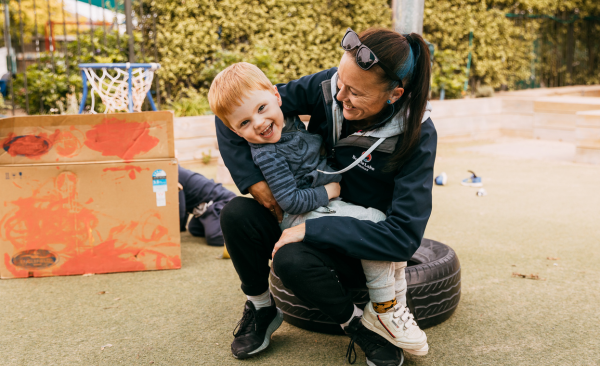
A Great Start? Education for Disabled Children in Early Childhood
28 September 2022 -
 Research summary | 4 min read
A Great Start? Education for Disabled Children in Early Childhood Education - summary
28 September 2022
Read Online
What you can expect from your child’s school
Disabled learners have the same rights to enrol and receive a quality, inclusive education in their local school as other learners. They’re entitled to attend the school at which they are enrolled during all the hours the school is open for instruction. Inclusive education means all learners at your child’s school have an equitable opportunity to fully participate and achieve. Disabled learners may require access to additional services and resources to help them be present, to participate, learn, and achieve. The Ministry of Education offers a wide range of help to create more inclusive learning environments and to support school staff and teachers. Your school’s board may directly employ or have access to specialist learning support staff. Each school should have a policy or procedure for parents if they have concerns and complaints. This should be available from the school and is usually on the school’s website.
|
When we talk about disabled learners, we mean children and young people with significant needs for ongoing support, adaptations, or accommodations to support their education. Not all members of this community might identify with this language. We’ve used this term because it links to the New Zealand Disability Strategy. |
Disabled learners have the same rights to enrol and receive a quality, inclusive education in their local school as other learners. They’re entitled to attend the school at which they are enrolled during all the hours the school is open for instruction. Inclusive education means all learners at your child’s school have an equitable opportunity to fully participate and achieve. Disabled learners may require access to additional services and resources to help them be present, to participate, learn, and achieve. The Ministry of Education offers a wide range of help to create more inclusive learning environments and to support school staff and teachers. Your school’s board may directly employ or have access to specialist learning support staff. Each school should have a policy or procedure for parents if they have concerns and complaints. This should be available from the school and is usually on the school’s website.
|
When we talk about disabled learners, we mean children and young people with significant needs for ongoing support, adaptations, or accommodations to support their education. Not all members of this community might identify with this language. We’ve used this term because it links to the New Zealand Disability Strategy. |
What did ERO find out about support for disabled learners in schools?
To find out about what’s really happening in schools, ERO spoke to lots of disabled learners, parents and whānau, teachers, school leaders, learning support practitioners and experts. Here are the key things we found out.
Disabled learners enjoy school. However, many still experience exclusion, as some schools don’t fully understand what is expected.
- Most disabled learners enjoy learning at their school. However, too many are being discouraged from enrolling in their local schools, asked to stay home when schools are short on staff, stood down, aren’t supported to take part in wider school activities, or are having to move schools.
- Nearly half of school leaders and Boards don’t understand all of their legal obligations to disabled learners. Not all schools’ policies support disabled learners.
- This needs to change. We’re asking the MoE to give clearer guidance to schools, and are recommending that each school reports about their plans and progress for disabled learners every year.
Most disabled learners feel safe at their school. However, many do not feel accepted or that they belong.
- We heard from many disabled learners that they don’t feel accepted or that they belong at school. Some experience bullying or don’t have good friends.
- Disabled learners with more complex needs have poorer experiences and outcomes.
- This needs to change. We’re asking the MoE and ERO to report regularly on how well disabled learners are doing across the country.
Disabled learners like their teachers. However, most teachers aren’t confident about teaching disabled learners, and too many disabled learners aren’t making good progress at school.
- Most disabled learners report having teachers who are kind, helpful, and care about them. However, many don’t feel supported to learn in a way that suits them, and many parents don’t think that their child’s schoolwork has the right level of challenge. Lots of teachers shared that they don’t have much confidence about teaching disabled learners.
- This needs to change. We’re asking that principals and teachers receive more support around teaching disabled learners in their initial training and ongoing professional learning.
Most parents and whānau find it easy to talk to teachers. However, many want to have more of a say in their child’s learning goals and pathway plans.
- Whānau of disabled learners find it easy to talk to teachers about their child’s learning. However, we found that they are not included as much in developing learning goals and planning for next steps.
- Not many schools have good ways to hear from disabled learners and their whānau about how well the school is meeting their needs and where to improve.
- This needs to change. We’re asking that school leaders and teachers improve the ways that they work with parents and whānau of disabled learners.
Parents and whānau don’t have the information they need.
- Understanding disabled learners’ education rights means that parents are better prepared to stand up for their children, raise concerns with their school, and make complaints. Some whānau are not aware of their child’s education rights, and how they’d go about raising concerns or making complaints.
- This needs to change. We’re asking the MoE to put together useful resources for disabled learners, parents and whānau about education rights and entitlements, options for education and pathways, how to raise concerns, and how to access support. We’re also recommending that they develop an independent process for hearing complaints, and report every year about the themes of these complaints and how they were resolved.
Most disabled learners are well supported to transition into their school. However, many are not well supported in transitioning out of school.
- Most whānau are satisfied with how the school helped their child start school, but some aren’t happy with how the school is supporting their child to leave school – when they move between schools, or when they’re ready to access pathways like work, training and further education. Schools and different agencies do not always working well together or share useful information to support disabled learners.
- This needs to change. We’re asking that information about learner is always shared when they change schools, and for better coordination and collaboration between schools and a range of agencies to improve support for disabled leaners.
To find out about what’s really happening in schools, ERO spoke to lots of disabled learners, parents and whānau, teachers, school leaders, learning support practitioners and experts. Here are the key things we found out.
Disabled learners enjoy school. However, many still experience exclusion, as some schools don’t fully understand what is expected.
- Most disabled learners enjoy learning at their school. However, too many are being discouraged from enrolling in their local schools, asked to stay home when schools are short on staff, stood down, aren’t supported to take part in wider school activities, or are having to move schools.
- Nearly half of school leaders and Boards don’t understand all of their legal obligations to disabled learners. Not all schools’ policies support disabled learners.
- This needs to change. We’re asking the MoE to give clearer guidance to schools, and are recommending that each school reports about their plans and progress for disabled learners every year.
Most disabled learners feel safe at their school. However, many do not feel accepted or that they belong.
- We heard from many disabled learners that they don’t feel accepted or that they belong at school. Some experience bullying or don’t have good friends.
- Disabled learners with more complex needs have poorer experiences and outcomes.
- This needs to change. We’re asking the MoE and ERO to report regularly on how well disabled learners are doing across the country.
Disabled learners like their teachers. However, most teachers aren’t confident about teaching disabled learners, and too many disabled learners aren’t making good progress at school.
- Most disabled learners report having teachers who are kind, helpful, and care about them. However, many don’t feel supported to learn in a way that suits them, and many parents don’t think that their child’s schoolwork has the right level of challenge. Lots of teachers shared that they don’t have much confidence about teaching disabled learners.
- This needs to change. We’re asking that principals and teachers receive more support around teaching disabled learners in their initial training and ongoing professional learning.
Most parents and whānau find it easy to talk to teachers. However, many want to have more of a say in their child’s learning goals and pathway plans.
- Whānau of disabled learners find it easy to talk to teachers about their child’s learning. However, we found that they are not included as much in developing learning goals and planning for next steps.
- Not many schools have good ways to hear from disabled learners and their whānau about how well the school is meeting their needs and where to improve.
- This needs to change. We’re asking that school leaders and teachers improve the ways that they work with parents and whānau of disabled learners.
Parents and whānau don’t have the information they need.
- Understanding disabled learners’ education rights means that parents are better prepared to stand up for their children, raise concerns with their school, and make complaints. Some whānau are not aware of their child’s education rights, and how they’d go about raising concerns or making complaints.
- This needs to change. We’re asking the MoE to put together useful resources for disabled learners, parents and whānau about education rights and entitlements, options for education and pathways, how to raise concerns, and how to access support. We’re also recommending that they develop an independent process for hearing complaints, and report every year about the themes of these complaints and how they were resolved.
Most disabled learners are well supported to transition into their school. However, many are not well supported in transitioning out of school.
- Most whānau are satisfied with how the school helped their child start school, but some aren’t happy with how the school is supporting their child to leave school – when they move between schools, or when they’re ready to access pathways like work, training and further education. Schools and different agencies do not always working well together or share useful information to support disabled learners.
- This needs to change. We’re asking that information about learner is always shared when they change schools, and for better coordination and collaboration between schools and a range of agencies to improve support for disabled leaners.
Questions you could ask your school
- How can I work alongside teachers and other key staff to support my child’s learning and wellbeing?
- How does the school make sure that my child can participate in all aspects of the everyday curriculum – as well as school events and trips?
- How will my child’s progress and achievement be reported – and how can I be a part of developing their learning goals?
- Are there clear expectations for all students around being inclusive, positive behaviour, and prevention of bullying?
- Does my child’s teacher have the information and support that they need, to teach my child effectively?
- What does learning support look like in this school? It’s useful for me to understand the different roles of the people that support my child.
- How will the school support my child to transition on to the next step of their learning journey?
- How can I work alongside teachers and other key staff to support my child’s learning and wellbeing?
- How does the school make sure that my child can participate in all aspects of the everyday curriculum – as well as school events and trips?
- How will my child’s progress and achievement be reported – and how can I be a part of developing their learning goals?
- Are there clear expectations for all students around being inclusive, positive behaviour, and prevention of bullying?
- Does my child’s teacher have the information and support that they need, to teach my child effectively?
- What does learning support look like in this school? It’s useful for me to understand the different roles of the people that support my child.
- How will the school support my child to transition on to the next step of their learning journey?
Useful links
The Ministry of Education’s guide for parents about learning support: Practical information about education for parents and carers (parents.education.govt.nz)
The Learning Support Action Plan, which sets out how learning support is planned and delivered: About the Learning Support Action Plan – Conversation space (education.govt.nz)
The website for Whaikaha, Ministry of Disabled People, who monitor the Disability Action Plan: Disability Action Plan 2019-2023 - Office for Disability Issues (odi.govt.nz)
How to make a complaint: Make a complaint (education.govt.nz)
Details about the rights of people with disabilities:
- Human Rights Commission (hrc.co.nz)
- United Nations Convention of the Rights of People with Disabilities, Right to Inclusive Education (ohchr.org)
- UNICEF guide to inclusive education (unicef.org)
|
We appreciate the work of all those who supported this evaluation, particularly the disabled learners, parents and whānau, teachers and leaders who shared with us. Their experiences and insights are at the heart of what we have learnt. You can find the full report on how good education is for disabled learners on ERO’s website: www.ero.govt.nz |
The Ministry of Education’s guide for parents about learning support: Practical information about education for parents and carers (parents.education.govt.nz)
The Learning Support Action Plan, which sets out how learning support is planned and delivered: About the Learning Support Action Plan – Conversation space (education.govt.nz)
The website for Whaikaha, Ministry of Disabled People, who monitor the Disability Action Plan: Disability Action Plan 2019-2023 - Office for Disability Issues (odi.govt.nz)
How to make a complaint: Make a complaint (education.govt.nz)
Details about the rights of people with disabilities:
- Human Rights Commission (hrc.co.nz)
- United Nations Convention of the Rights of People with Disabilities, Right to Inclusive Education (ohchr.org)
- UNICEF guide to inclusive education (unicef.org)
|
We appreciate the work of all those who supported this evaluation, particularly the disabled learners, parents and whānau, teachers and leaders who shared with us. Their experiences and insights are at the heart of what we have learnt. You can find the full report on how good education is for disabled learners on ERO’s website: www.ero.govt.nz |