
A practical guide for teacher aides: What quality practice looks like
About this resource:
Teacher aides have a wide range of valued roles and responsibilities, and the quality of their practice makes a big difference for learners. Teacher aides can enhance learner outcomes by drawing on positive relationships, good training, collaborative practices, and cultural expertise. This guide shares practical strategies and insights for teacher aides, to inspire and improve their everyday practice.
Related insights
Explore related documents that you might be interested in.
-
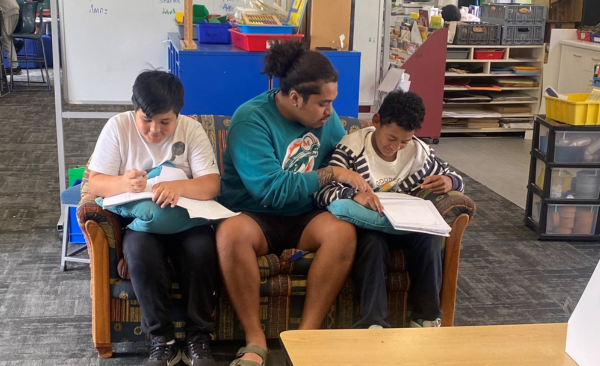 Research report | 45 min read
Working together: How teacher aides can have the most impact
30 November 2022 -
 Research summary | 4 min read
Working together: How teacher aides can have the most impact - Summary
30 November 2022 -
 Good practice guide | 14 min read
A practical guide for teachers: What quality teacher aide practice looks like
30 November 2022 -
 Good practice guide | 14 min read
A practical guide for school leaders: What quality teacher aide practice looks like
30 November 2022 -
 Sector insights | 2 min read
What you need to know about teacher aides: A guide for school boards
30 November 2022 -
 Good practice guide | 2 min read
What you need to know about teacher aides: A guide for parents and whānau
30 November 2022
Read Online
What’s this guide all about?
ERO looked at teacher aide practice and support
Teacher aides (TAs) have been vital members of Aotearoa New Zealand schools for more than 50 years. We’ve learnt a lot about what good education looks like over that time, and we also know more about how TAs can have the most impact. The quality of TA practice is really important, and it makes a big difference for learners.
Not everyone will identify with the term ‘teacher aide’. The TA role is called different things at different schools, for example, kaiāwhina, teaching assistant, learning assistant, or inclusive learning assistant.
ERO was commissioned by the Ministry of Education and NZEI Te Riu Roa to find out about good TA practice and support. We started by looking at the evidence around what works, based on a wide range of research from Aotearoa New Zealand and overseas. Then we talked to TAs, teachers, principals, Special Education Needs Coordinators (SENCOs), Learning Support Coordinators (LSCs), Resource Teachers: Learning and Behaviour (RTLBs), learners, and whānau, from 11 diverse primary and secondary schools.
We wrote a main report and a range of practical guides
Our main report, Working together: How teacher aides can have the most impact, goes into detail about the research evidence that we refer to in this guide. We also wanted to support real change through practical resources, including this guide for TAs. There are also guides for school leaders, classroom teachers, school boards, and parents and whānau. These can all be downloaded from ERO’s website, www.ero.govt.nz
This guide is for TAs
This guide has practical strategies, ideas, narrative examples, practices to avoid, and reflective questions that will be useful for TAs that work in primary and secondary schools.
We focus on four key areas of TA practice, that research shows are effective for learners.
- Generalised classroom support – TAs working with the wider class, so that teachers have more opportunities to work closely with all learners.
- Delivering structured interventions – TAs holding brief, focused sessions with individuals and small groups, using evidence-based interventions.
- Te ao Māori cultural leadership and support – Māori TAs supporting staff and students with their cultural expertise.
- Collaboratively supporting students with learning support needs – TAs using a highly collaborative, autonomy-focused approach, to contribute to the learning and wellbeing of individual learners.
When we talk about individuals with learning support needs, we mean learners that require support for disabilities or specific health, behaviour, or learning needs.
Good TA practice and support isn’t one-size-fits-all
We know that not all TAs work in these four key areas, and some TAs may work across a combination of areas. The TA role is diverse, and responsibilities will look different depending on classroom, school, and community contexts. It will be important for TAs to reflect with their team about practices that are right for their school.
ERO looked at teacher aide practice and support
Teacher aides (TAs) have been vital members of Aotearoa New Zealand schools for more than 50 years. We’ve learnt a lot about what good education looks like over that time, and we also know more about how TAs can have the most impact. The quality of TA practice is really important, and it makes a big difference for learners.
Not everyone will identify with the term ‘teacher aide’. The TA role is called different things at different schools, for example, kaiāwhina, teaching assistant, learning assistant, or inclusive learning assistant.
ERO was commissioned by the Ministry of Education and NZEI Te Riu Roa to find out about good TA practice and support. We started by looking at the evidence around what works, based on a wide range of research from Aotearoa New Zealand and overseas. Then we talked to TAs, teachers, principals, Special Education Needs Coordinators (SENCOs), Learning Support Coordinators (LSCs), Resource Teachers: Learning and Behaviour (RTLBs), learners, and whānau, from 11 diverse primary and secondary schools.
We wrote a main report and a range of practical guides
Our main report, Working together: How teacher aides can have the most impact, goes into detail about the research evidence that we refer to in this guide. We also wanted to support real change through practical resources, including this guide for TAs. There are also guides for school leaders, classroom teachers, school boards, and parents and whānau. These can all be downloaded from ERO’s website, www.ero.govt.nz
This guide is for TAs
This guide has practical strategies, ideas, narrative examples, practices to avoid, and reflective questions that will be useful for TAs that work in primary and secondary schools.
We focus on four key areas of TA practice, that research shows are effective for learners.
- Generalised classroom support – TAs working with the wider class, so that teachers have more opportunities to work closely with all learners.
- Delivering structured interventions – TAs holding brief, focused sessions with individuals and small groups, using evidence-based interventions.
- Te ao Māori cultural leadership and support – Māori TAs supporting staff and students with their cultural expertise.
- Collaboratively supporting students with learning support needs – TAs using a highly collaborative, autonomy-focused approach, to contribute to the learning and wellbeing of individual learners.
When we talk about individuals with learning support needs, we mean learners that require support for disabilities or specific health, behaviour, or learning needs.
Good TA practice and support isn’t one-size-fits-all
We know that not all TAs work in these four key areas, and some TAs may work across a combination of areas. The TA role is diverse, and responsibilities will look different depending on classroom, school, and community contexts. It will be important for TAs to reflect with their team about practices that are right for their school.
1. Generalised classroom support
Generalised classroom support means that TAs work with learners across the class while teachers work more regularly with those learners that need extra support. For this to work, TAs need regular opportunities to talk with teachers about lesson plans. They also need support from their school to build a good skillset of quality interaction practices, while teachers need support to build their knowledge, practices, and confidence to work with the diverse range of learning needs in their class.
What do we know about what works?
Traditional side-by-side learning support doesn’t work for most learners
Understandings about good TA practice have changed over time. TAs used to spend most or all of their time working closely with learners with support needs, and even overseeing and adapting their learning. This is often called the ‘velcro’ model, and it was common for a good reason: to provide lots of support from an adult that knows the learner well. However, we now know that this wasn’t the best thing for their education. While learners often enjoyed their close relationships with TAs, research shows that this kind of support is strongly linked to poor learning and wellbeing outcomes.
It benefits learners when TAs work across the class
Research shows that learners with support needs have better wellbeing and learning outcomes when they have a mixture of times working with a TA, working with a teacher, working with their peers, and working by themselves. For learners that need constant adult support, this should still come from more than one person, including a teacher.
TAs can make a difference for learners with support needs, by sharing their time more evenly between supporting them and working closely with the other learners in the class. This involves TAs using their positive relationship skills, cultural expertise, and good learning interaction skills to benefit all learners, not just one or two. This way, teachers can also work more regularly with learners that need extra support, which has lots of benefits for their learning progress.
Teachers and TAs need to share information and work together
For a ‘generalised classroom support’ model to work well, TAs need to have good understandings of lesson plans and expectations. Research shows that teachers need to work with TAs to make sure they can confidently offer useful support across the class.
How can TAs put quality generalised classroom support practices into action?
Spend time working with the wider class
In discussion with classroom teachers, TAs can purposefully work more often with the wider class. This gives teachers more opportunities to work with those learners that need extra support. TAs can do this by roving the room, rotating their support for different small groups, or taking whole-class activities.
Help teachers get to know learners with support needs and their whānau
Sometimes TAs have closer relationships with learners and their whānau than teachers do, especially when TAs have worked with those learners over several years or classes. We also know that teachers don’t always feel confident to teach learners with support needs when they don’t know enough about their diagnoses, rhythms, cues, and preferences. TAs can help build teachers’ confidence by sharing information and insights, and working with teachers to develop relationships with these learners and their whānau.
Build up good quality interaction practices
Good quality interactions are focused on supporting learning, not on finishing tasks. It’s useful for TAs to build up a good toolbox of quality interaction practices to be ready to support a range of different learners.
Good quality interaction practices
- Open questions (like “What do you think about…”)
- Wait time (waiting 4-5 seconds for learners to answer before speaking again)
- Giving the least amount of support first
- Encouraging peer-to-peer learning
- Specific feedback and feedforward
- Indicators in Tātaiako: Cultural competencies for teachers of Māori learners
- Indicators in Tapasā: Cultural competencies framework for teachers of Pacific learners
- TAs using their own cultural and language expertise to support learners to understand learning expectations and to make connections
Low quality interaction practices
- Closed questions (like yes/no questions)
- Rushing learners’ thinking
- Giving answers and hints
- Confusing or unclear instructions
- Repeating exactly what the teacher just said
- Taking responsibility for the completion of learners’ work
”Wait time, open questioning, these sorts of things, a lot of our teachers get PLD in that, but TAs don’t and it’s a missed opportunity.” (RTLB)
Talk to teachers about their lesson plans
TAs can have more responsive and useful interactions when they understand lesson plans and objectives, intended learning outcomes, and what their feedback to learners should look/sound like. The ideal way to find out about these things is through brief, regular catch-ups with teachers, during work hours (and not during breaks). If this isn’t possible, online or written communication can work well too.
Real life examples: How have other TAs made generalised classroom support work?
ERO spoke to schools that use a generalised classroom support approach. We wanted to know about the practical strategies that they’ve found useful.
We heard that it can work well for TAs to…
- build relationships with every learner in the class, starting with conversations about learners’ interests, like favourite sports teams
- lead large-group activities in areas where they feel comfortable and confident, for example, art, technology, or storytelling
- share timely information with teachers about learners’ interests, triggers, friendships and social dynamics; local knowledge of families and community; or expertise about diagnoses and health, disability, or behaviour support
- observe and learn from teachers’ quality interaction practices
“I’ll carry on with [the teacher’s] programme, do exactly what she’s done. She’ll set up then take the kids [with learning support needs] out, then I’ll rove around.” (TA)
- take notes to help remember key words or instructions
- set individual and team goals to build culturally responsive practices
- embed professional learning by talking to colleagues about ways to bring new skills into daily practice
- use their own language and cultural expertise to make connections between learners and their peers or other staff
- work with teachers to agree on ways of communicating lesson plans when TAs start work after class has begun. Some TAs use the first 5-10 minutes to check over planning documentation, while others have a system of ‘ready to go’ resource baskets that the teacher prepares ahead of time.
“I like to be very organised, know beforehand what I’m doing ... In the mornings we have a short five, ten minutes to catch up. For example, we’re doing maths today, geometry, here’s the sheet. Then I know the expectations.” (TA)
What support should school leaders and teachers provide for TAs?
In our main report and the guides for teachers and school leaders, we set out what they can do to set TAs up for success.
Our resources say that teachers and school leaders should:
- put generalised support in place in their classrooms instead of traditional side-by-side support
- make sure teachers are confident to support diverse learning needs
- give TAs training and support around quality interactions
- maximise the diverse languages and cultures of TAs to support learners
- share information with TAs, and prioritise times for teachers and TAs to discuss lesson plans and objectives.
Good practice example: Generalised classroom support
In an urban primary school with a high-Pacific roll, regular time is set aside for TAs and teachers to connect. This, combined with a school culture of positive and non-hierarchical relationships, means collaborative classroom practices flow easily between teachers and TAs.
“We work like a team, inside the classroom and out.” (TA)
Every morning teachers meet briefly with TAs to discuss students’ learning and plan for the day ahead. This equips TAs for their interactions that day. During class time, TAs rotate working with different groups of children, spending concentrated time with each of them, and using quality interaction skills.
“[The TA uses questioning strategies like] ‘Tell me more’ ‘What else?’ ‘Does anybody have anything to add on?’ ‘What do YOU think?’” (Teacher)
At other times, TAs support the majority of the class in large-group activities, while teachers work intensively with small groups.
Because a large proportion of the school roll is Pacific, TAs from a range of Pacific communities share their cultural and community insights in daily planning meetings, which supports teachers to tailor their plans and interactions.
"Non-verbal cues are picked up a lot quicker when you're members of the same culture." (Teacher)
TAs observe teachers’ interactions, and then talk about what they saw at their weekly catch-ups with the SENCO.
“Our teachers are mentoring the learning assistants. When we meet on Tuesdays, they share the different strategies they see from working with their teacher. They always have a lot to share, about how the teacher connects with the class.” (Teacher/SENCO)
Reflective questions for TAs
- How do I feel about working with all learners in the class instead of mainly focusing on a few individuals? If I need to build my confidence, what could my next steps be?
- Which good quality interaction strategies are already strengths of mine? Which ones could I work to develop further?
- Do I receive important information about class planning, or am I expected to catch up on the fly? Who could I talk to about getting the information I need?
Generalised classroom support means that TAs work with learners across the class while teachers work more regularly with those learners that need extra support. For this to work, TAs need regular opportunities to talk with teachers about lesson plans. They also need support from their school to build a good skillset of quality interaction practices, while teachers need support to build their knowledge, practices, and confidence to work with the diverse range of learning needs in their class.
What do we know about what works?
Traditional side-by-side learning support doesn’t work for most learners
Understandings about good TA practice have changed over time. TAs used to spend most or all of their time working closely with learners with support needs, and even overseeing and adapting their learning. This is often called the ‘velcro’ model, and it was common for a good reason: to provide lots of support from an adult that knows the learner well. However, we now know that this wasn’t the best thing for their education. While learners often enjoyed their close relationships with TAs, research shows that this kind of support is strongly linked to poor learning and wellbeing outcomes.
It benefits learners when TAs work across the class
Research shows that learners with support needs have better wellbeing and learning outcomes when they have a mixture of times working with a TA, working with a teacher, working with their peers, and working by themselves. For learners that need constant adult support, this should still come from more than one person, including a teacher.
TAs can make a difference for learners with support needs, by sharing their time more evenly between supporting them and working closely with the other learners in the class. This involves TAs using their positive relationship skills, cultural expertise, and good learning interaction skills to benefit all learners, not just one or two. This way, teachers can also work more regularly with learners that need extra support, which has lots of benefits for their learning progress.
Teachers and TAs need to share information and work together
For a ‘generalised classroom support’ model to work well, TAs need to have good understandings of lesson plans and expectations. Research shows that teachers need to work with TAs to make sure they can confidently offer useful support across the class.
How can TAs put quality generalised classroom support practices into action?
Spend time working with the wider class
In discussion with classroom teachers, TAs can purposefully work more often with the wider class. This gives teachers more opportunities to work with those learners that need extra support. TAs can do this by roving the room, rotating their support for different small groups, or taking whole-class activities.
Help teachers get to know learners with support needs and their whānau
Sometimes TAs have closer relationships with learners and their whānau than teachers do, especially when TAs have worked with those learners over several years or classes. We also know that teachers don’t always feel confident to teach learners with support needs when they don’t know enough about their diagnoses, rhythms, cues, and preferences. TAs can help build teachers’ confidence by sharing information and insights, and working with teachers to develop relationships with these learners and their whānau.
Build up good quality interaction practices
Good quality interactions are focused on supporting learning, not on finishing tasks. It’s useful for TAs to build up a good toolbox of quality interaction practices to be ready to support a range of different learners.
Good quality interaction practices
- Open questions (like “What do you think about…”)
- Wait time (waiting 4-5 seconds for learners to answer before speaking again)
- Giving the least amount of support first
- Encouraging peer-to-peer learning
- Specific feedback and feedforward
- Indicators in Tātaiako: Cultural competencies for teachers of Māori learners
- Indicators in Tapasā: Cultural competencies framework for teachers of Pacific learners
- TAs using their own cultural and language expertise to support learners to understand learning expectations and to make connections
Low quality interaction practices
- Closed questions (like yes/no questions)
- Rushing learners’ thinking
- Giving answers and hints
- Confusing or unclear instructions
- Repeating exactly what the teacher just said
- Taking responsibility for the completion of learners’ work
”Wait time, open questioning, these sorts of things, a lot of our teachers get PLD in that, but TAs don’t and it’s a missed opportunity.” (RTLB)
Talk to teachers about their lesson plans
TAs can have more responsive and useful interactions when they understand lesson plans and objectives, intended learning outcomes, and what their feedback to learners should look/sound like. The ideal way to find out about these things is through brief, regular catch-ups with teachers, during work hours (and not during breaks). If this isn’t possible, online or written communication can work well too.
Real life examples: How have other TAs made generalised classroom support work?
ERO spoke to schools that use a generalised classroom support approach. We wanted to know about the practical strategies that they’ve found useful.
We heard that it can work well for TAs to…
- build relationships with every learner in the class, starting with conversations about learners’ interests, like favourite sports teams
- lead large-group activities in areas where they feel comfortable and confident, for example, art, technology, or storytelling
- share timely information with teachers about learners’ interests, triggers, friendships and social dynamics; local knowledge of families and community; or expertise about diagnoses and health, disability, or behaviour support
- observe and learn from teachers’ quality interaction practices
“I’ll carry on with [the teacher’s] programme, do exactly what she’s done. She’ll set up then take the kids [with learning support needs] out, then I’ll rove around.” (TA)
- take notes to help remember key words or instructions
- set individual and team goals to build culturally responsive practices
- embed professional learning by talking to colleagues about ways to bring new skills into daily practice
- use their own language and cultural expertise to make connections between learners and their peers or other staff
- work with teachers to agree on ways of communicating lesson plans when TAs start work after class has begun. Some TAs use the first 5-10 minutes to check over planning documentation, while others have a system of ‘ready to go’ resource baskets that the teacher prepares ahead of time.
“I like to be very organised, know beforehand what I’m doing ... In the mornings we have a short five, ten minutes to catch up. For example, we’re doing maths today, geometry, here’s the sheet. Then I know the expectations.” (TA)
What support should school leaders and teachers provide for TAs?
In our main report and the guides for teachers and school leaders, we set out what they can do to set TAs up for success.
Our resources say that teachers and school leaders should:
- put generalised support in place in their classrooms instead of traditional side-by-side support
- make sure teachers are confident to support diverse learning needs
- give TAs training and support around quality interactions
- maximise the diverse languages and cultures of TAs to support learners
- share information with TAs, and prioritise times for teachers and TAs to discuss lesson plans and objectives.
Good practice example: Generalised classroom support
In an urban primary school with a high-Pacific roll, regular time is set aside for TAs and teachers to connect. This, combined with a school culture of positive and non-hierarchical relationships, means collaborative classroom practices flow easily between teachers and TAs.
“We work like a team, inside the classroom and out.” (TA)
Every morning teachers meet briefly with TAs to discuss students’ learning and plan for the day ahead. This equips TAs for their interactions that day. During class time, TAs rotate working with different groups of children, spending concentrated time with each of them, and using quality interaction skills.
“[The TA uses questioning strategies like] ‘Tell me more’ ‘What else?’ ‘Does anybody have anything to add on?’ ‘What do YOU think?’” (Teacher)
At other times, TAs support the majority of the class in large-group activities, while teachers work intensively with small groups.
Because a large proportion of the school roll is Pacific, TAs from a range of Pacific communities share their cultural and community insights in daily planning meetings, which supports teachers to tailor their plans and interactions.
"Non-verbal cues are picked up a lot quicker when you're members of the same culture." (Teacher)
TAs observe teachers’ interactions, and then talk about what they saw at their weekly catch-ups with the SENCO.
“Our teachers are mentoring the learning assistants. When we meet on Tuesdays, they share the different strategies they see from working with their teacher. They always have a lot to share, about how the teacher connects with the class.” (Teacher/SENCO)
Reflective questions for TAs
- How do I feel about working with all learners in the class instead of mainly focusing on a few individuals? If I need to build my confidence, what could my next steps be?
- Which good quality interaction strategies are already strengths of mine? Which ones could I work to develop further?
- Do I receive important information about class planning, or am I expected to catch up on the fly? Who could I talk to about getting the information I need?
2. Delivering structured interventions
Teacher aides can positively impact student learning by delivering highly structured, evidence-based programmes and interventions. For this to work, TAs need to be well supported with robust training, careful timetabling, and regular opportunities to liaise with classroom teachers.
What do we know about what works?
TAs can benefit learners through interventions – but only if they’re delivered in a structured way
Good quality interventions are designed to be used in specific ways. The evidence shows that when TAs receive robust training and deliver interventions as they are intended, student learning improves. Research also shows that when TAs don’t use the intended structure – for example, not using the resources, or condensing several short sessions into one long one – this has a negative impact on student learning.
“It has to be run with fidelity. That’s the key word we use … Making sure TAs are running programmes with fidelity, so progress for students is made. If a programme is intended to be run four days a week but is only run two days a week, this affects the progress of the student. If a TA is doing a structured literacy lesson, but missing out key parts, this impacts the student at the end of the intervention.” (RTLB)
Timing is important
Good quality intervention sessions are brief, regular, and well-paced. Careful timetabling is needed, to ensure sessions take place at times that have no or minimal disruption to students’ classroom learning, participation, and belonging.
Intervention learning should link back to the classroom
Interventions work best when they have meaning and relevance for learners. TAs should be explicit with learners about what they will be learning from the intervention, why they are doing so, what they can expect from sessions, and how this will relate to their regular classroom learning. To do this, TAs need to have a good understanding of those things themselves.
“I basically back up what the teachers are teaching in class. So, where they’re at with the teacher is what I’m teaching, so it’s not new to them.” (TA)
How can TAs deliver structured interventions well?
Get to know the ‘how and why’ of the intervention
TAs need to be familiar with guidance, scripts, assessments, and other resources to deliver interventions well. It also helps to have strong understandings of what exactly the intervention is for, and why it’s the right fit for certain learners. TAs can build these understandings through regular training and professional discussions with teachers, SENCOs, LSCs, or other experts.
“For a TA, having a scope and sequence to follow is often really good as well, because they know, ‘This is what you’re working toward, and this is how you do it.’” (TA)
Stick to the structure
Good quality interventions have been through a lot of testing and development, so that they work the best possible way for learners. This means that changing things around isn’t a good idea. Making changes to the structure can even make outcomes worse for learners.
“[PLD] was so helpful because I got a real guide on how much to say before giving another instruction.” (TA)
Deliver interventions in brief, well-paced sessions, with minimal disruption to regular classroom learning
TAs can help learners get the most out of their intervention sessions by working with teachers to put together timetables. Things to think about are:
- making sure learners won’t miss out on important classroom lessons or social times
- how classroom lessons relate to the content of intervention sessions
- learners’ preferences, social dynamics, care routines, and energy levels.
Talk to learners about what they’re learning in each session
Learners are more engaged when TAs are clear about what they will be learning in each session, why they are doing it, what they can expect, and how this will relate to their regular classroom learning. For example, at one school they ask, “What did you learn that you can take into your module [classroom learning] today?”
Touch base with teachers regularly
Teachers and TAs need regular opportunities to get together and plan, review and discuss intervention learning, and figure out how that learning can connect to classroom lessons. The ideal way to do this is through brief, regular catch-ups with teachers, during work hours (and not during breaks). If this isn’t possible, online or written communication can work well too.
“All our students potentially work with seven different teachers during the week, and several different [TAs], so communication is very important.” (SENCO)
Real life examples: How have other TAs made their delivery of structured interventions work?
ERO spoke to schools that use structured interventions, delivered by TAs. We wanted to know about the practical strategies that they’ve found useful.
We heard that it can work well for TAs to…
- take responsibility for understanding expectations. TAs would: approach teachers, SENCOs, LSCs and specialist teachers with questions; ask to observe particular practices; revisit PLD resources; or discuss strategies with other TAs
- find their own ways to stick to the structure, for example, laminating prompt cards and instructions, or practising specific phrases
- help plan timetables, focusing on the intended structure of the intervention and good timing for learners
“As SENCO, I sit down together with the TAs and work out who has extra funding support. Look at their learning goals. Then I work with TAs to work out the timetable, then talk to teacher.” (SENCO)
- make responsive decisions about pacing, for example, taking a few extra minutes to finish off the session, or deferring a session to another time when students are more ready to learn
“I look at [the learner’s] facial expression, whether they’re engaged or not. You can see when you’re losing them, and change tack.” (TA)
- be clear with students about their learning: starting sessions by saying what the learning focus will be, and recapping key learning outcomes at the end
- use learners’ interests to make sessions extra engaging
“He likes the Titanic so we do maths stories around that.” (TA)
- make links to classroom learning, for example, using topics from the class as examples in intervention discussions, or asking learners how last week’s session had been useful in their regular class
“We make sure we don’t just do a random different topic.” (LSC)
- share and celebrate learners’ progress with classroom teachers.
What support should school leaders and teachers provide for TAs?
In our main report and the guides for teachers and school leaders, we set out what they can do to set TAs up for success.
Our resources say that teachers and school leaders should:
- provide TAs with lots of training in the delivery of the intervention
- timetable intervention sessions to fit in with learners’ regular classroom learning
- find times for teachers and TAs to discuss, plan, review, and make assessments of intervention learning, and discuss links to classroom lessons.
Good practice example: Delivering structured interventions
Teachers, TAs and leaders at this primary school have built a collaborative approach to structured literacy interventions. This started with shared training in the programme.
Teachers and TAs work together to responsively match the content of intervention sessions with students’ classroom learning.
“The classroom teacher takes the programme first. Then the TA follows up, for example, paragraphs – TAs would follow up on that specific content … [they are] not giving kids new information; the TA is going over what’s already been taught.” (LSC)
Teacher aides from the school agreed that their sessions are all about enhancing, not replacing, classroom learning. They shared ways that they coordinate their practice with teachers, to make sure that learners benefit from relevant, timely sessions:
“It’s just using the same language, the same visuals, the same word packs, the same sound packs, so then the child’s not confused.” (TA)
“I work alongside teachers. When I first get my timetable with the children that I’m taking, I go to my teachers at the beginning of the term or the beginning of the year, and make sure … Say I go to a classroom at ten o’clock, [the teacher] makes sure she’s already seen those children before I come at ten o’clock, and then I’m taking them after that … They’re always getting double time.” (TA)
“We use a notebook for them – and if the teacher’s seen them first then she jots down what the tricky part was for the day, what the focus was in that lesson, and then when I’m with the child I take that notebook as well and I back that up – and vice versa. If I see them first I’m writing the notes in this notebook that goes back to the class with that student, and the teacher sees… and she backs it up and does sentence writing or ‘work writing’ using that particular area where the focus was.” (TA)
Reflective questions for TAs
- Do I have a good understanding of the ‘how and why’ of the intervention? Who could I talk to about boosting my knowledge?
- Am I confident to use the intervention’s intended structure, techniques, strategies, resources or scripts?
- Are intervention sessions timetabled so that they are brief, regular, well-paced, and don’t create a barrier to important classroom learning or social times? Are there opportunities for me to help make timetables work better for learners?
- Do I connect with teachers regularly about intervention learning and planning? Do I know enough about classroom learning to make clear links between the classroom and the intervention?
Teacher aides can positively impact student learning by delivering highly structured, evidence-based programmes and interventions. For this to work, TAs need to be well supported with robust training, careful timetabling, and regular opportunities to liaise with classroom teachers.
What do we know about what works?
TAs can benefit learners through interventions – but only if they’re delivered in a structured way
Good quality interventions are designed to be used in specific ways. The evidence shows that when TAs receive robust training and deliver interventions as they are intended, student learning improves. Research also shows that when TAs don’t use the intended structure – for example, not using the resources, or condensing several short sessions into one long one – this has a negative impact on student learning.
“It has to be run with fidelity. That’s the key word we use … Making sure TAs are running programmes with fidelity, so progress for students is made. If a programme is intended to be run four days a week but is only run two days a week, this affects the progress of the student. If a TA is doing a structured literacy lesson, but missing out key parts, this impacts the student at the end of the intervention.” (RTLB)
Timing is important
Good quality intervention sessions are brief, regular, and well-paced. Careful timetabling is needed, to ensure sessions take place at times that have no or minimal disruption to students’ classroom learning, participation, and belonging.
Intervention learning should link back to the classroom
Interventions work best when they have meaning and relevance for learners. TAs should be explicit with learners about what they will be learning from the intervention, why they are doing so, what they can expect from sessions, and how this will relate to their regular classroom learning. To do this, TAs need to have a good understanding of those things themselves.
“I basically back up what the teachers are teaching in class. So, where they’re at with the teacher is what I’m teaching, so it’s not new to them.” (TA)
How can TAs deliver structured interventions well?
Get to know the ‘how and why’ of the intervention
TAs need to be familiar with guidance, scripts, assessments, and other resources to deliver interventions well. It also helps to have strong understandings of what exactly the intervention is for, and why it’s the right fit for certain learners. TAs can build these understandings through regular training and professional discussions with teachers, SENCOs, LSCs, or other experts.
“For a TA, having a scope and sequence to follow is often really good as well, because they know, ‘This is what you’re working toward, and this is how you do it.’” (TA)
Stick to the structure
Good quality interventions have been through a lot of testing and development, so that they work the best possible way for learners. This means that changing things around isn’t a good idea. Making changes to the structure can even make outcomes worse for learners.
“[PLD] was so helpful because I got a real guide on how much to say before giving another instruction.” (TA)
Deliver interventions in brief, well-paced sessions, with minimal disruption to regular classroom learning
TAs can help learners get the most out of their intervention sessions by working with teachers to put together timetables. Things to think about are:
- making sure learners won’t miss out on important classroom lessons or social times
- how classroom lessons relate to the content of intervention sessions
- learners’ preferences, social dynamics, care routines, and energy levels.
Talk to learners about what they’re learning in each session
Learners are more engaged when TAs are clear about what they will be learning in each session, why they are doing it, what they can expect, and how this will relate to their regular classroom learning. For example, at one school they ask, “What did you learn that you can take into your module [classroom learning] today?”
Touch base with teachers regularly
Teachers and TAs need regular opportunities to get together and plan, review and discuss intervention learning, and figure out how that learning can connect to classroom lessons. The ideal way to do this is through brief, regular catch-ups with teachers, during work hours (and not during breaks). If this isn’t possible, online or written communication can work well too.
“All our students potentially work with seven different teachers during the week, and several different [TAs], so communication is very important.” (SENCO)
Real life examples: How have other TAs made their delivery of structured interventions work?
ERO spoke to schools that use structured interventions, delivered by TAs. We wanted to know about the practical strategies that they’ve found useful.
We heard that it can work well for TAs to…
- take responsibility for understanding expectations. TAs would: approach teachers, SENCOs, LSCs and specialist teachers with questions; ask to observe particular practices; revisit PLD resources; or discuss strategies with other TAs
- find their own ways to stick to the structure, for example, laminating prompt cards and instructions, or practising specific phrases
- help plan timetables, focusing on the intended structure of the intervention and good timing for learners
“As SENCO, I sit down together with the TAs and work out who has extra funding support. Look at their learning goals. Then I work with TAs to work out the timetable, then talk to teacher.” (SENCO)
- make responsive decisions about pacing, for example, taking a few extra minutes to finish off the session, or deferring a session to another time when students are more ready to learn
“I look at [the learner’s] facial expression, whether they’re engaged or not. You can see when you’re losing them, and change tack.” (TA)
- be clear with students about their learning: starting sessions by saying what the learning focus will be, and recapping key learning outcomes at the end
- use learners’ interests to make sessions extra engaging
“He likes the Titanic so we do maths stories around that.” (TA)
- make links to classroom learning, for example, using topics from the class as examples in intervention discussions, or asking learners how last week’s session had been useful in their regular class
“We make sure we don’t just do a random different topic.” (LSC)
- share and celebrate learners’ progress with classroom teachers.
What support should school leaders and teachers provide for TAs?
In our main report and the guides for teachers and school leaders, we set out what they can do to set TAs up for success.
Our resources say that teachers and school leaders should:
- provide TAs with lots of training in the delivery of the intervention
- timetable intervention sessions to fit in with learners’ regular classroom learning
- find times for teachers and TAs to discuss, plan, review, and make assessments of intervention learning, and discuss links to classroom lessons.
Good practice example: Delivering structured interventions
Teachers, TAs and leaders at this primary school have built a collaborative approach to structured literacy interventions. This started with shared training in the programme.
Teachers and TAs work together to responsively match the content of intervention sessions with students’ classroom learning.
“The classroom teacher takes the programme first. Then the TA follows up, for example, paragraphs – TAs would follow up on that specific content … [they are] not giving kids new information; the TA is going over what’s already been taught.” (LSC)
Teacher aides from the school agreed that their sessions are all about enhancing, not replacing, classroom learning. They shared ways that they coordinate their practice with teachers, to make sure that learners benefit from relevant, timely sessions:
“It’s just using the same language, the same visuals, the same word packs, the same sound packs, so then the child’s not confused.” (TA)
“I work alongside teachers. When I first get my timetable with the children that I’m taking, I go to my teachers at the beginning of the term or the beginning of the year, and make sure … Say I go to a classroom at ten o’clock, [the teacher] makes sure she’s already seen those children before I come at ten o’clock, and then I’m taking them after that … They’re always getting double time.” (TA)
“We use a notebook for them – and if the teacher’s seen them first then she jots down what the tricky part was for the day, what the focus was in that lesson, and then when I’m with the child I take that notebook as well and I back that up – and vice versa. If I see them first I’m writing the notes in this notebook that goes back to the class with that student, and the teacher sees… and she backs it up and does sentence writing or ‘work writing’ using that particular area where the focus was.” (TA)
Reflective questions for TAs
- Do I have a good understanding of the ‘how and why’ of the intervention? Who could I talk to about boosting my knowledge?
- Am I confident to use the intervention’s intended structure, techniques, strategies, resources or scripts?
- Are intervention sessions timetabled so that they are brief, regular, well-paced, and don’t create a barrier to important classroom learning or social times? Are there opportunities for me to help make timetables work better for learners?
- Do I connect with teachers regularly about intervention learning and planning? Do I know enough about classroom learning to make clear links between the classroom and the intervention?
3. Te ao Māori cultural leadership and support
Māori TAs can positively impact learning by modelling and promoting te reo Māori, supporting the cultural understandings and practices of staff and students, leading initiatives and school events, or taking a liaison role in the school community.
What do we know about what works?
TAs can play a key role in promoting and supporting te reo Māori
Te reo Māori is vital to Aotearoa New Zealand, to our education system, and to our communities. In English medium schools, TAs that speak te reo Māori have expertise that can support the knowledge and understanding of all staff and learners. Many TAs in Aotearoa New Zealand actively promote te reo Māori in their school, with a range of effective formal and informal strategies like providing programmes, resources, advice, and modelling.
Māori TAs can benefit all learners by supporting their school’s bicultural curriculum and culturally responsive practices
There are positive impacts on all students’ learning when Māori TAs have a leadership role in te ao Māori, kaupapa Māori me ngā tikanga Māori at the school. This can include providing advice and guidance around tikanga Māori, leading community events, coordinating kapa haka and Māori arts programmes, and making links with whānau, hapū, iwi, and community, to build localised bicultural practices that benefit all learners.
“I think our staff thought they had good relationships with whānau and iwi.” (Principal)
Māori TAs can benefit Māori learners through targeted practices and liaison with whānau, hapū, iwi, and community
A specific set of cultural expertise and understandings is needed to build good relationships with whānau, hapū, iwi, and community. Māori TAs are well placed to support tamariki me rangatahi Māori by building and drawing on good relationships, cultural understandings, and knowledge of learners’ whānau and whakapapa. This might involve facilitating connections, providing targeted support, encouraging Māori students’ learning, or helping address serious issues.
How can Māori TAs put great practices into action?
Promote te reo Māori to learners and staff
TAs can deliberately promote te reo Māori at their school with strategies like:
- using te reo Māori in daily conversations
- supporting and encouraging the use of te reo Māori in the classroom
- adapting or creating resources
- delivering te reo Māori programmes
- translating resources and learning materials into te reo Māori
- speaking te reo Māori when representing the school in the community
- providing expert advice and guidance to teachers about te reo Māori.
Take a leadership role in te ao Māori, kaupapa Māori me ngā tikanga Māori
Research shows that having Māori staff has a range of positive impacts a range of positive impacts of having Māori school staff, for all learners, and for tamariki me rangatahi Māori. The cultural expertise of Māori TAs means they are well placed to support authentic bicultural curriculum and culturally responsive practices. Valued practices can include tailoring school practices, providing advice, leading events, and connecting with whānau, hapū, iwi, and community to tailor the bicultural curriculum.
Support Māori learners by connecting with whānau, hapū, iwi, and community
Māori TAs can play a valuable role in supporting the learning and wellbeing of Māori learners, particularly when they have good knowledge of learners’ backgrounds and whānau, and use this information to make connections, provide appropriate support, and encourage students’ learning.
Valuing the taonga of cultural expertise and support
Research shows that school staff with cultural capital often feel obligated to take on extra work, which isn’t always acknowledged by the school. As well as workload issues, staff report complex social and emotional pressures around:
- educating colleagues, including bosses
- drawing on personal relationships to benefit the school
- feeling that they are seen to be responsible for the education and behaviour of all Māori students
- advocating against racism
- attending events in their own time
- ‘representing’ the school in their community
- discomfort with enacting a tuakana role with some whānau, hapū, or iwi members
- tension when community members have problems with the school
- feeling personally committed to serving Māori.
Māori TAs can choose whether or not they want to share the taonga of their cultural expertise. In our report and guides for teachers and school leaders, we clearly set out expectations for acknowledging and valuing the TA practices outlined here.
Real life examples: How have other Māori TAs worked in a cultural leadership and support role?
ERO spoke to schools where Māori TAs have cultural leadership and support roles. We wanted to know about the practical strategies that they’ve found useful.
We heard that it can work well for TAs to…
- deliver te reo lessons within regular class time, so that teachers can learn alongside students
“They’ve really embraced the te reo Māori. Because teacher stays in the classroom … it’s a way of them getting to learn without getting separate PD. And it’s relevant for the age group they’re teaching … Some teachers really run with it. I do send the planning to the teachers, and all the links for all the songs, video clips. So they can do it before or do it after if they have time to refresh.” (TA)
- start with kupu that have special relevance for learners, for example, words related to school values, current events, or children’s interests
“Manawa mai – we know manawa and we know mai … how do you bring your heart to me? What could that mean?” (TA)
- help Māori learners’ behavioural and emotional regulation through karakia and stories about ātua
- work with iwi to create karakia, define tikanga, or tailor existing school practices like pōwhiri
- talk with teachers about te reo me ngā tikanga Māori and how these can be incorporated into the everyday classroom setting
- present to teaching staff at meetings and on teacher only days
- draw on existing community connections and relationships, along with their school connections, to coordinate support for Māori learners
- talk with whānau about how schools have changed over time.
“Making sure [whānau Māori] understand that it’s changed, from when they went to school, and making sure that they understand that their children have access to everything that they missed out on.” (TA)
What support should school leaders and teachers provide for TAs?
In our main report and the guides for teachers and school leaders, we set out what they can do to set TAs up for success.
Our resources say that teachers and school leaders should:
- continue to promote te reo Māori and engage in culturally responsive practices
- maximise opportunities for TAs to share their expertise with learners and staff
- ensure TAs are well supported, including helping with their workload and wellbeing.
Good practice example: Te ao Māori cultural leadership and support
This school’s leadership and staff value the expertise of an experienced Māori TA. Her regular in-class responsibilities have recently been reduced, to make room for a more intense focus on supporting whānau me tamariki Māori.
This TA had noticed that many of the school’s Māori families were unfamiliar with elements of their whakapapa. She recognised that this was having impacts on their children and shared this insight with leadership. As a result, her role has shifted from providing te reo Māori and cultural support for the whole school, to being more focused on whānau, iwi and community liaison work.
“When I was available to the whole school, and teaching kapa haka and te reo in every class, being available to 280 students and their families – because the Pākehā families very much love this as well … not having all of them and just being able to concentrate on the Māori families has lessened my workload … I’m now fully focused on Māori students … ensuring that they are on the right path, that their families are feeling good and involved, and that we can also help make the connections for those families and those students to their whakapapa and related families.” (TA)
A first step for this TA was to engage whānau in creating in-depth pepeha for each Māori learner, and registering ngā tamariki with their iwi so that whānau could continue to engage and connect without her support. Individualised karakia were designed for each Māori learner, drawing on their personal experiences, needs, and even trauma.
Teachers throughout the school value this TA’s expert guidance around tamariki Māori learning, behaviour, and emotional regulation from a kaupapa Māori perspective. This approach has been especially beneficial for learners with behaviour challenges.
“The way that I do that is connect it to our gods, and explain them and how it’s a good thing, but you have to use it in the right way … In te ao Māori it’s so important that our emotions are first. So then we can navigate that to see how we can learn while having those emotions.” (TA)
Reflective questions for TAs
- Do I have Māori cultural expertise that would benefit my school community? How might I use this expertise to contribute to my school’s te reo Māori, bicultural curriculum, or culturally responsive practices?
- Do I have skills in connecting with whānau, hapū, iwi, or other communities or groups that could support Māori learners at the school? How might I use these skills to build relationships, make connections, and benefit Māori learners and whānau?
- How would supporting my school affect my workload, my wellbeing, and my personal life? How could my school acknowledge and help with these challenges?
Māori TAs can positively impact learning by modelling and promoting te reo Māori, supporting the cultural understandings and practices of staff and students, leading initiatives and school events, or taking a liaison role in the school community.
What do we know about what works?
TAs can play a key role in promoting and supporting te reo Māori
Te reo Māori is vital to Aotearoa New Zealand, to our education system, and to our communities. In English medium schools, TAs that speak te reo Māori have expertise that can support the knowledge and understanding of all staff and learners. Many TAs in Aotearoa New Zealand actively promote te reo Māori in their school, with a range of effective formal and informal strategies like providing programmes, resources, advice, and modelling.
Māori TAs can benefit all learners by supporting their school’s bicultural curriculum and culturally responsive practices
There are positive impacts on all students’ learning when Māori TAs have a leadership role in te ao Māori, kaupapa Māori me ngā tikanga Māori at the school. This can include providing advice and guidance around tikanga Māori, leading community events, coordinating kapa haka and Māori arts programmes, and making links with whānau, hapū, iwi, and community, to build localised bicultural practices that benefit all learners.
“I think our staff thought they had good relationships with whānau and iwi.” (Principal)
Māori TAs can benefit Māori learners through targeted practices and liaison with whānau, hapū, iwi, and community
A specific set of cultural expertise and understandings is needed to build good relationships with whānau, hapū, iwi, and community. Māori TAs are well placed to support tamariki me rangatahi Māori by building and drawing on good relationships, cultural understandings, and knowledge of learners’ whānau and whakapapa. This might involve facilitating connections, providing targeted support, encouraging Māori students’ learning, or helping address serious issues.
How can Māori TAs put great practices into action?
Promote te reo Māori to learners and staff
TAs can deliberately promote te reo Māori at their school with strategies like:
- using te reo Māori in daily conversations
- supporting and encouraging the use of te reo Māori in the classroom
- adapting or creating resources
- delivering te reo Māori programmes
- translating resources and learning materials into te reo Māori
- speaking te reo Māori when representing the school in the community
- providing expert advice and guidance to teachers about te reo Māori.
Take a leadership role in te ao Māori, kaupapa Māori me ngā tikanga Māori
Research shows that having Māori staff has a range of positive impacts a range of positive impacts of having Māori school staff, for all learners, and for tamariki me rangatahi Māori. The cultural expertise of Māori TAs means they are well placed to support authentic bicultural curriculum and culturally responsive practices. Valued practices can include tailoring school practices, providing advice, leading events, and connecting with whānau, hapū, iwi, and community to tailor the bicultural curriculum.
Support Māori learners by connecting with whānau, hapū, iwi, and community
Māori TAs can play a valuable role in supporting the learning and wellbeing of Māori learners, particularly when they have good knowledge of learners’ backgrounds and whānau, and use this information to make connections, provide appropriate support, and encourage students’ learning.
Valuing the taonga of cultural expertise and support
Research shows that school staff with cultural capital often feel obligated to take on extra work, which isn’t always acknowledged by the school. As well as workload issues, staff report complex social and emotional pressures around:
- educating colleagues, including bosses
- drawing on personal relationships to benefit the school
- feeling that they are seen to be responsible for the education and behaviour of all Māori students
- advocating against racism
- attending events in their own time
- ‘representing’ the school in their community
- discomfort with enacting a tuakana role with some whānau, hapū, or iwi members
- tension when community members have problems with the school
- feeling personally committed to serving Māori.
Māori TAs can choose whether or not they want to share the taonga of their cultural expertise. In our report and guides for teachers and school leaders, we clearly set out expectations for acknowledging and valuing the TA practices outlined here.
Real life examples: How have other Māori TAs worked in a cultural leadership and support role?
ERO spoke to schools where Māori TAs have cultural leadership and support roles. We wanted to know about the practical strategies that they’ve found useful.
We heard that it can work well for TAs to…
- deliver te reo lessons within regular class time, so that teachers can learn alongside students
“They’ve really embraced the te reo Māori. Because teacher stays in the classroom … it’s a way of them getting to learn without getting separate PD. And it’s relevant for the age group they’re teaching … Some teachers really run with it. I do send the planning to the teachers, and all the links for all the songs, video clips. So they can do it before or do it after if they have time to refresh.” (TA)
- start with kupu that have special relevance for learners, for example, words related to school values, current events, or children’s interests
“Manawa mai – we know manawa and we know mai … how do you bring your heart to me? What could that mean?” (TA)
- help Māori learners’ behavioural and emotional regulation through karakia and stories about ātua
- work with iwi to create karakia, define tikanga, or tailor existing school practices like pōwhiri
- talk with teachers about te reo me ngā tikanga Māori and how these can be incorporated into the everyday classroom setting
- present to teaching staff at meetings and on teacher only days
- draw on existing community connections and relationships, along with their school connections, to coordinate support for Māori learners
- talk with whānau about how schools have changed over time.
“Making sure [whānau Māori] understand that it’s changed, from when they went to school, and making sure that they understand that their children have access to everything that they missed out on.” (TA)
What support should school leaders and teachers provide for TAs?
In our main report and the guides for teachers and school leaders, we set out what they can do to set TAs up for success.
Our resources say that teachers and school leaders should:
- continue to promote te reo Māori and engage in culturally responsive practices
- maximise opportunities for TAs to share their expertise with learners and staff
- ensure TAs are well supported, including helping with their workload and wellbeing.
Good practice example: Te ao Māori cultural leadership and support
This school’s leadership and staff value the expertise of an experienced Māori TA. Her regular in-class responsibilities have recently been reduced, to make room for a more intense focus on supporting whānau me tamariki Māori.
This TA had noticed that many of the school’s Māori families were unfamiliar with elements of their whakapapa. She recognised that this was having impacts on their children and shared this insight with leadership. As a result, her role has shifted from providing te reo Māori and cultural support for the whole school, to being more focused on whānau, iwi and community liaison work.
“When I was available to the whole school, and teaching kapa haka and te reo in every class, being available to 280 students and their families – because the Pākehā families very much love this as well … not having all of them and just being able to concentrate on the Māori families has lessened my workload … I’m now fully focused on Māori students … ensuring that they are on the right path, that their families are feeling good and involved, and that we can also help make the connections for those families and those students to their whakapapa and related families.” (TA)
A first step for this TA was to engage whānau in creating in-depth pepeha for each Māori learner, and registering ngā tamariki with their iwi so that whānau could continue to engage and connect without her support. Individualised karakia were designed for each Māori learner, drawing on their personal experiences, needs, and even trauma.
Teachers throughout the school value this TA’s expert guidance around tamariki Māori learning, behaviour, and emotional regulation from a kaupapa Māori perspective. This approach has been especially beneficial for learners with behaviour challenges.
“The way that I do that is connect it to our gods, and explain them and how it’s a good thing, but you have to use it in the right way … In te ao Māori it’s so important that our emotions are first. So then we can navigate that to see how we can learn while having those emotions.” (TA)
Reflective questions for TAs
- Do I have Māori cultural expertise that would benefit my school community? How might I use this expertise to contribute to my school’s te reo Māori, bicultural curriculum, or culturally responsive practices?
- Do I have skills in connecting with whānau, hapū, iwi, or other communities or groups that could support Māori learners at the school? How might I use these skills to build relationships, make connections, and benefit Māori learners and whānau?
- How would supporting my school affect my workload, my wellbeing, and my personal life? How could my school acknowledge and help with these challenges?
4. Collaboratively supporting students with learning support needs
Effective learning support takes teamwork – from TAs, teachers, learning support staff, experts, school leaders, learners, and whānau. In collaboration with others, TAs can play a key role in positively impacting students’ learning, wellbeing, peer connections, and independence.
What do we know about what works?
TAs can enhance the learning and wellbeing of learners with support needs
As outlined earlier in this guide, evidence shows that it’s not good for learners when a TA is the main person responsible for planning or adapting their learning. However, TAs can play a valuable role in a collaborative approach to support that does work well for learners.
TAs need the right guidance and information from the right people to fully understand how and when to use strategies, techniques, and resources. This might mean learning alongside teachers, as well as therapists, specialists, SENCOs, LSCs, and whānau. Plans are enriched when TAs contribute their own expertise and insights about learners.
TAs can actively promote student agency and autonomy
Whenever TAs spend time with learners with support needs, they have opportunities to promote independence, encourage learners to make their own choices, and reduce the need for adult support over time. Useful strategies might include encouraging independent movement, prompting self-regulation, or focusing on learners’ choices, preferences, and rights to dignity during care routines.
TAs can foster positive behaviour, social skills, and friendships
Students with learning support needs sometimes need extra help to connect with their peers. Things get even more difficult when TAs work in a way that creates a barrier to these learners initiating or receiving peer connections (see the box on the next page). TAs can support learners by working with teachers and other experts to decide on targeted strategies to use in their interactions, as well as ways to arrange the classroom, resources, and lesson timetables.
How can TAs benefit students with learning support needs?
Work with specialists and experts to plan and use shared strategies, techniques, resources, and equipment
When working with learners with support needs, collaboration and consistency are really important. TAs need to make sure that their practices line up with individual education plans and are based on clear guidance from experts. Strong TA practice includes:
- taking the time to fully understand how and when to use strategies, techniques, resources, and equipment
- contributing to planning with their own insights
- being very clear about their own roles and responsibilities, and the roles and responsibilities of other staff
- being committed to agreed, learner-focused goals.
“If we’re working alongside a student who has been identified as, for example, autistic, we need to understand the traits of autism, and how it affects that student personally, and respond appropriately… it is not a one-size-fits-all scenario.” (TA)
Stay focused on learners’ autonomy and agency
TAs can make a positive difference for learners when they work alongside other staff to reduce learners’ reliance on adult support over time. This involves actively promoting self-management and independent choices, and also avoiding practices that encourage overreliance. See the box below for some practices to avoid.
“It’s about encouraging independence. What are [TAs] doing today for the students that they can be doing less of tomorrow?” (SENCO)
Tip: Some strategies should be avoided
Research shows that some well-intentioned practices can isolate learners and limit their agency and autonomy. Practices to avoid include:
- always being close by learners (when this isn’t necessary for health or behaviour reasons)
- being a physical barrier to peer interactions
- when working in pairs, partnering learners with TAs instead of peers
- leaving learners waiting (e.g., for care routines or access to resources)
- inconsistent or confusing guidance, that does not align with agreed planned strategies
- focusing on task completion or hurrying learners’ work
- waiting for things to go wrong before acting, rather than using strategies to prevent escalated behaviour.
Take active steps to promote inclusion, peer-to-peer learning, and friendships
TAs can work with teachers and other experts to decide on targeted strategies and ways to arrange the classroom, resources, and lesson timetables. TAs’ strategies may include:
- keeping interactions brief, so there is space for learners to connect with their peers
- thoughtful timing around medication and other care routines
- organising for learners to work in groups
- prompting and coaching learners around social skills
- avoiding triggers and using de-escalation strategies.
Real life examples: How have other TAs made collaborative approaches to learning support work?
ERO spoke to schools that use a collaborative approach to benefit learners with support needs. We wanted to know about the practical strategies that they’ve found useful.
We heard that it can work well for TAs to…
- ask lots of questions to ensure they fully understand how and when to use strategies, techniques, resources and equipment
- speak up in individual planning meetings with their own cultural expertise, knowledge of families and community, observations of classroom dynamics, and insights into students’ triggers, rhythms, and interests
“We might have few kids working together on a maths programme. But the TA will say, this kid won’t work when that kid sits there. So we’ll change it.” (Teacher)
- involve learners in decision-making, for example, agreeing on how to approach learners for medication or care routines, or asking learners what they think should be discussed at upcoming planning meetings.
“I sat down with them beforehand and said, ‘Look, you know we’re going to meet with Mum and Dad, and with that person who comes and visits, and we’re going to talk about you to know how we can make school even better for you. What would you say if you were sitting there? Or is there a message you’d like me to tell them?’” (TA)
- use quality interaction techniques that encourage independent thinking, for example open questioning, wait time, and starting with the least amount of support first
- help learners to approach their peers by practising words to use, creating photo boards to learn names, encouraging more socially confident learners to work alongside less-confident peers, or organising group games
- position themselves out of the way of peer connections. TAs described monitoring learners from a distance, noting that learners are avoided by their peers if it seems like they come with a “bodyguard”. TAs use small-group approaches during class lessons, to offer necessary support without isolating learners.
What support should school leaders and teachers provide for TAs?
In our main report and the guides for teachers and school leaders, we set out what they can do to set TAs up for success.
Our resources say that teachers and school leaders should:
- provide training and support around planned strategies, techniques, use of resources, and equipment.
- communicate regularly with TAs and include TAs in meetings
- use a collaborative approach to supporting learner autonomy and agency
- carefully arrange timetables, classrooms, and learning contexts to promote peer connections.
Good practice example: Collaboratively supporting students with learning support needs
This Catholic school has embedded a team approach in their support for students with learning support needs.
At the start of each term, timetabling of classes and rosters draws on TAs’ insights.
“It’s about listening to what they have to say – they have valuable information.” (Principal)
Teachers and TAs meet up at least once a week to discuss learners. Staff share a focus on supporting autonomy, agency, and peer connections. They emphasise the importance of “not hovering” around learners that need extra supervision – inside the classroom and out:
“There are a few high health needs children who need playground support. TAs stay just on the outskirts. If there is an issue, the kids are solving the problems. Kids being kids, if they’re having an argument with a friend, the TA doesn’t come in. Otherwise, kids don’t want to go there again because an adult comes in. Another child with a nut allergy, she doesn’t sit with TAs – she’s still sitting with her peers.” (Teacher)
The SENCO, teachers, and TAs plan specific ways they can reduce support for learners over time. They’ve found that it works best to start with a team brainstorm, and then figure out a team approach. They shared this example:
“For his first two years at school, [learner] had to be monitored at eating time. It was something he no longer needed, but wanted – because [adults] would talk to him or watch something on the iPad. There was a decision between the TA and I to transition away from that, for him to become a full member of the class. It did take a term. We took it in turns to wean ourself off. We would lessen the time that the TA would stay. Without him realising, the TA removed herself completely but I was there. For the last two terms, lunchtime and morning tea he has no supervision. And he doesn’t ask for it, because we did it so gradually.” (Teacher)
Reflective questions for TAs
- Who is ‘on the team’ for my school’s learners with learning support needs? Am I clear about what exactly everyone’s roles and responsibilities are?
- Am I sure about how, when, and why particular strategies or resources are used with learners? Do I need to ask for more training or support?
- Am I getting in the way of peer interactions? How might I more actively support learners to connect with their peers?
- Do I consistently encourage learners to make their own choices, manage themselves, and grow their independence? How could I better support learners to require less help over time?
Effective learning support takes teamwork – from TAs, teachers, learning support staff, experts, school leaders, learners, and whānau. In collaboration with others, TAs can play a key role in positively impacting students’ learning, wellbeing, peer connections, and independence.
What do we know about what works?
TAs can enhance the learning and wellbeing of learners with support needs
As outlined earlier in this guide, evidence shows that it’s not good for learners when a TA is the main person responsible for planning or adapting their learning. However, TAs can play a valuable role in a collaborative approach to support that does work well for learners.
TAs need the right guidance and information from the right people to fully understand how and when to use strategies, techniques, and resources. This might mean learning alongside teachers, as well as therapists, specialists, SENCOs, LSCs, and whānau. Plans are enriched when TAs contribute their own expertise and insights about learners.
TAs can actively promote student agency and autonomy
Whenever TAs spend time with learners with support needs, they have opportunities to promote independence, encourage learners to make their own choices, and reduce the need for adult support over time. Useful strategies might include encouraging independent movement, prompting self-regulation, or focusing on learners’ choices, preferences, and rights to dignity during care routines.
TAs can foster positive behaviour, social skills, and friendships
Students with learning support needs sometimes need extra help to connect with their peers. Things get even more difficult when TAs work in a way that creates a barrier to these learners initiating or receiving peer connections (see the box on the next page). TAs can support learners by working with teachers and other experts to decide on targeted strategies to use in their interactions, as well as ways to arrange the classroom, resources, and lesson timetables.
How can TAs benefit students with learning support needs?
Work with specialists and experts to plan and use shared strategies, techniques, resources, and equipment
When working with learners with support needs, collaboration and consistency are really important. TAs need to make sure that their practices line up with individual education plans and are based on clear guidance from experts. Strong TA practice includes:
- taking the time to fully understand how and when to use strategies, techniques, resources, and equipment
- contributing to planning with their own insights
- being very clear about their own roles and responsibilities, and the roles and responsibilities of other staff
- being committed to agreed, learner-focused goals.
“If we’re working alongside a student who has been identified as, for example, autistic, we need to understand the traits of autism, and how it affects that student personally, and respond appropriately… it is not a one-size-fits-all scenario.” (TA)
Stay focused on learners’ autonomy and agency
TAs can make a positive difference for learners when they work alongside other staff to reduce learners’ reliance on adult support over time. This involves actively promoting self-management and independent choices, and also avoiding practices that encourage overreliance. See the box below for some practices to avoid.
“It’s about encouraging independence. What are [TAs] doing today for the students that they can be doing less of tomorrow?” (SENCO)
Tip: Some strategies should be avoided
Research shows that some well-intentioned practices can isolate learners and limit their agency and autonomy. Practices to avoid include:
- always being close by learners (when this isn’t necessary for health or behaviour reasons)
- being a physical barrier to peer interactions
- when working in pairs, partnering learners with TAs instead of peers
- leaving learners waiting (e.g., for care routines or access to resources)
- inconsistent or confusing guidance, that does not align with agreed planned strategies
- focusing on task completion or hurrying learners’ work
- waiting for things to go wrong before acting, rather than using strategies to prevent escalated behaviour.
Take active steps to promote inclusion, peer-to-peer learning, and friendships
TAs can work with teachers and other experts to decide on targeted strategies and ways to arrange the classroom, resources, and lesson timetables. TAs’ strategies may include:
- keeping interactions brief, so there is space for learners to connect with their peers
- thoughtful timing around medication and other care routines
- organising for learners to work in groups
- prompting and coaching learners around social skills
- avoiding triggers and using de-escalation strategies.
Real life examples: How have other TAs made collaborative approaches to learning support work?
ERO spoke to schools that use a collaborative approach to benefit learners with support needs. We wanted to know about the practical strategies that they’ve found useful.
We heard that it can work well for TAs to…
- ask lots of questions to ensure they fully understand how and when to use strategies, techniques, resources and equipment
- speak up in individual planning meetings with their own cultural expertise, knowledge of families and community, observations of classroom dynamics, and insights into students’ triggers, rhythms, and interests
“We might have few kids working together on a maths programme. But the TA will say, this kid won’t work when that kid sits there. So we’ll change it.” (Teacher)
- involve learners in decision-making, for example, agreeing on how to approach learners for medication or care routines, or asking learners what they think should be discussed at upcoming planning meetings.
“I sat down with them beforehand and said, ‘Look, you know we’re going to meet with Mum and Dad, and with that person who comes and visits, and we’re going to talk about you to know how we can make school even better for you. What would you say if you were sitting there? Or is there a message you’d like me to tell them?’” (TA)
- use quality interaction techniques that encourage independent thinking, for example open questioning, wait time, and starting with the least amount of support first
- help learners to approach their peers by practising words to use, creating photo boards to learn names, encouraging more socially confident learners to work alongside less-confident peers, or organising group games
- position themselves out of the way of peer connections. TAs described monitoring learners from a distance, noting that learners are avoided by their peers if it seems like they come with a “bodyguard”. TAs use small-group approaches during class lessons, to offer necessary support without isolating learners.
What support should school leaders and teachers provide for TAs?
In our main report and the guides for teachers and school leaders, we set out what they can do to set TAs up for success.
Our resources say that teachers and school leaders should:
- provide training and support around planned strategies, techniques, use of resources, and equipment.
- communicate regularly with TAs and include TAs in meetings
- use a collaborative approach to supporting learner autonomy and agency
- carefully arrange timetables, classrooms, and learning contexts to promote peer connections.
Good practice example: Collaboratively supporting students with learning support needs
This Catholic school has embedded a team approach in their support for students with learning support needs.
At the start of each term, timetabling of classes and rosters draws on TAs’ insights.
“It’s about listening to what they have to say – they have valuable information.” (Principal)
Teachers and TAs meet up at least once a week to discuss learners. Staff share a focus on supporting autonomy, agency, and peer connections. They emphasise the importance of “not hovering” around learners that need extra supervision – inside the classroom and out:
“There are a few high health needs children who need playground support. TAs stay just on the outskirts. If there is an issue, the kids are solving the problems. Kids being kids, if they’re having an argument with a friend, the TA doesn’t come in. Otherwise, kids don’t want to go there again because an adult comes in. Another child with a nut allergy, she doesn’t sit with TAs – she’s still sitting with her peers.” (Teacher)
The SENCO, teachers, and TAs plan specific ways they can reduce support for learners over time. They’ve found that it works best to start with a team brainstorm, and then figure out a team approach. They shared this example:
“For his first two years at school, [learner] had to be monitored at eating time. It was something he no longer needed, but wanted – because [adults] would talk to him or watch something on the iPad. There was a decision between the TA and I to transition away from that, for him to become a full member of the class. It did take a term. We took it in turns to wean ourself off. We would lessen the time that the TA would stay. Without him realising, the TA removed herself completely but I was there. For the last two terms, lunchtime and morning tea he has no supervision. And he doesn’t ask for it, because we did it so gradually.” (Teacher)
Reflective questions for TAs
- Who is ‘on the team’ for my school’s learners with learning support needs? Am I clear about what exactly everyone’s roles and responsibilities are?
- Am I sure about how, when, and why particular strategies or resources are used with learners? Do I need to ask for more training or support?
- Am I getting in the way of peer interactions? How might I more actively support learners to connect with their peers?
- Do I consistently encourage learners to make their own choices, manage themselves, and grow their independence? How could I better support learners to require less help over time?
Conclusion
Teacher aide support makes a big difference to students’ learning and wellbeing. TAs boost learner outcomes by drawing on positive relationships, good training, collaborative practices, and cultural expertise.
But TAs can’t do it alone. Responding to the diversity of learners in Aotearoa New Zealand classrooms takes real teamwork. To enable TAs to do their best for learners, school leaders and teachers have to step up and create the conditions to make it work. These conditions include: good information-sharing; valuing and respecting one another’s perspectives; defining roles and responsibilities; and getting really clear about the shared strategies that are going to make the most difference.
ERO identified what research from Aotearoa New Zealand and overseas says is good TA practice and support, along with how real schools have actually made that happen. The TAs, teachers, SENCOs, LSCs, senior leaders, and RTLBs that we spoke to were energised by the practices they’d put in place, and saw how their efforts were paying off in the classroom and in their learners’ outcomes. But they also acknowledged that making the shift wasn’t easy, especially at first.
For many schools, the first step was letting go of traditional ideas about the TA role, and moving on to more current understandings of good, collaborative practice. This can mean a big shift in mindset for some people. Focusing on what the evidence says works can help with that shift.
Evidence from all over the world clearly shows that with a team approach and good quality strategies, TAs can make a significant difference for schools, learners, and communities. ERO’s research into Aotearoa New Zealand-based practices affirms this: in interview after interview, we heard evidence that TAs are working alongside schools, experts, and whānau to do innovative, thoughtful, life-changing work for our learners – every day.
“People in education, that’s all they do all day long is find solutions to really tricky problems. And different ways will work differently at different schools.” (TA)
“For me it’s seeing the progress of the children … by the end of the year … there’s progress, that’s reward enough.” (TA)
“It’s not as rewarding [for TAs] if they’re just turning up. But if they have a clear purpose, have planned and prepared, there’s a lot more satisfaction in the work.” (Principal)
Teacher aide support makes a big difference to students’ learning and wellbeing. TAs boost learner outcomes by drawing on positive relationships, good training, collaborative practices, and cultural expertise.
But TAs can’t do it alone. Responding to the diversity of learners in Aotearoa New Zealand classrooms takes real teamwork. To enable TAs to do their best for learners, school leaders and teachers have to step up and create the conditions to make it work. These conditions include: good information-sharing; valuing and respecting one another’s perspectives; defining roles and responsibilities; and getting really clear about the shared strategies that are going to make the most difference.
ERO identified what research from Aotearoa New Zealand and overseas says is good TA practice and support, along with how real schools have actually made that happen. The TAs, teachers, SENCOs, LSCs, senior leaders, and RTLBs that we spoke to were energised by the practices they’d put in place, and saw how their efforts were paying off in the classroom and in their learners’ outcomes. But they also acknowledged that making the shift wasn’t easy, especially at first.
For many schools, the first step was letting go of traditional ideas about the TA role, and moving on to more current understandings of good, collaborative practice. This can mean a big shift in mindset for some people. Focusing on what the evidence says works can help with that shift.
Evidence from all over the world clearly shows that with a team approach and good quality strategies, TAs can make a significant difference for schools, learners, and communities. ERO’s research into Aotearoa New Zealand-based practices affirms this: in interview after interview, we heard evidence that TAs are working alongside schools, experts, and whānau to do innovative, thoughtful, life-changing work for our learners – every day.
“People in education, that’s all they do all day long is find solutions to really tricky problems. And different ways will work differently at different schools.” (TA)
“For me it’s seeing the progress of the children … by the end of the year … there’s progress, that’s reward enough.” (TA)
“It’s not as rewarding [for TAs] if they’re just turning up. But if they have a clear purpose, have planned and prepared, there’s a lot more satisfaction in the work.” (Principal)
Useful resources
This guide is part of a suite of resources around good TA practice and support
ERO worked with the Ministry of Education and NZEI Te Riu Roa to produce a range of useful resources. These can all be downloaded for free from www.ero.govt.nz
|
Link |
What’s it about? |
Who is it for? |
|
Working together: How teacher aides can have the most impact |
The main report goes into detail about what good TA practice looks like, and how schools have made this work in practice |
TAs, teachers, leaders, and whānau Learning support staff, specialists, therapists, and the wider education sector |
|
A practical guide for teachers: What quality teacher aide practice looks like |
This guide sets out what good TA practice looks like, and practical actions for teachers to help make it happen |
Primary and secondary school teachers who work with TAs |
|
A practical guide for school leaders: What quality teacher aide practice looks like |
This guide sets out what good TA practice looks like, and practical actions for school leaders to help make it happen |
Principals, SENCOs, LSCs, and other school leaders at primary and secondary schools |
|
A practical guide for teacher aides: What quality practice looks like |
This guide sets out what good TA practice looks like, and what TAs can do to put these practices into action |
TAs at primary and secondary schools |
|
What you need to know about teacher aides: A guide for school boards |
This brief guide for school boards explains what TAs can offer their school, and the supports that need to be in place for them |
Board members at primary and secondary schools |
|
What you need to know about teacher aides: A guide for parents and whānau |
This brief guide for parents and whānau explains what they can expect from their school |
Parents and whānau of children who have TA support, at primary and secondary schools |
Other useful resources for TAs include:
This guide is part of a suite of resources around good TA practice and support
ERO worked with the Ministry of Education and NZEI Te Riu Roa to produce a range of useful resources. These can all be downloaded for free from www.ero.govt.nz
|
Link |
What’s it about? |
Who is it for? |
|
Working together: How teacher aides can have the most impact |
The main report goes into detail about what good TA practice looks like, and how schools have made this work in practice |
TAs, teachers, leaders, and whānau Learning support staff, specialists, therapists, and the wider education sector |
|
A practical guide for teachers: What quality teacher aide practice looks like |
This guide sets out what good TA practice looks like, and practical actions for teachers to help make it happen |
Primary and secondary school teachers who work with TAs |
|
A practical guide for school leaders: What quality teacher aide practice looks like |
This guide sets out what good TA practice looks like, and practical actions for school leaders to help make it happen |
Principals, SENCOs, LSCs, and other school leaders at primary and secondary schools |
|
A practical guide for teacher aides: What quality practice looks like |
This guide sets out what good TA practice looks like, and what TAs can do to put these practices into action |
TAs at primary and secondary schools |
|
What you need to know about teacher aides: A guide for school boards |
This brief guide for school boards explains what TAs can offer their school, and the supports that need to be in place for them |
Board members at primary and secondary schools |
|
What you need to know about teacher aides: A guide for parents and whānau |
This brief guide for parents and whānau explains what they can expect from their school |
Parents and whānau of children who have TA support, at primary and secondary schools |